Bone Graft Implant Process
-
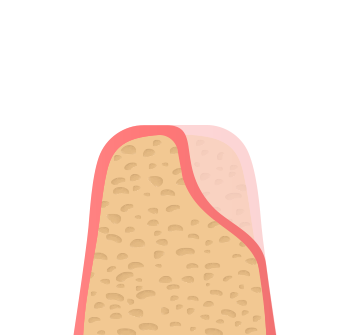
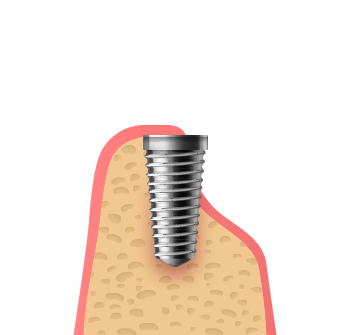
Insufficient jawbone makes
implant placement difficult
-
-
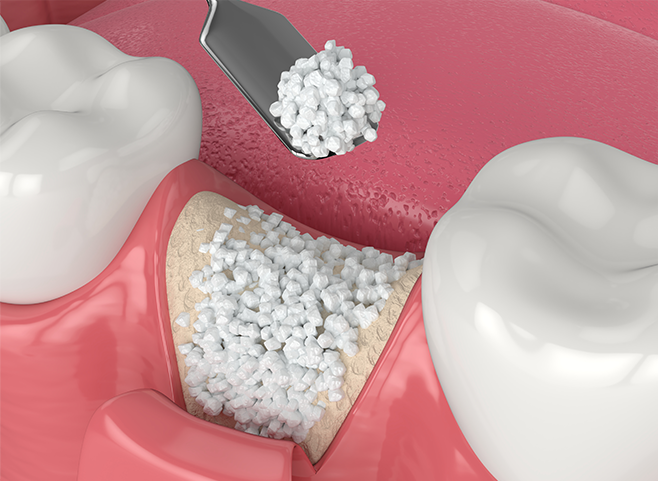
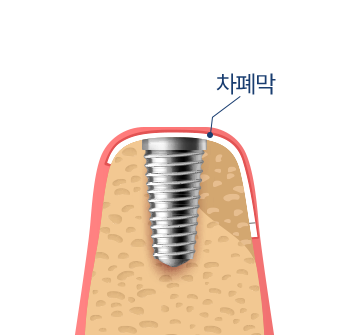
Bone is grafted into the deficient area,
covered with a membrane, and sutured
-
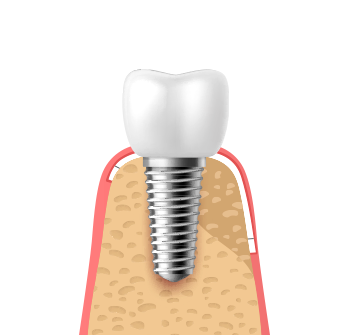
Once bone formation is complete,
the prosthesis is connected
Bone Graft Implant Materials
-
Autograft
Bone harvested from the patient's own body,
offering excellent compatibility
with no risk of
adverse reaction
-
Allograft
Bone from a human donor grafted
into the damaged area, preserving
growth factors and proteins for excellent
regenerative capacity and
biocompatibility.
-
Xenograft
A material processed from
animal bone, characterized
by rapid
regeneration.
-
Synthetic Graft
A synthetic material used
to regenerate or restore
a bone defect area, which is
gradually
replaced by natural bone over time.
Precautions After Bone Graft Implant Treatment
More extensive bone grafting may cause more swelling.
Avoid touching the surgical site as much as possible.
Avoid strenuous exercise for about a week after surgery.
Do not spit out blood or saliva that pools in your mouth after surgery — swallow it instead.
Rest thoroughly on the day of surgery.
Avoid alcohol and smoking for about a month after surgery.